How to Choose the Right Horsepower When Selecting a Truck
How to Choose the Right Horsepower When Selecting a Truck
The more globalized logistics become, and the more interwoven transportation networks are, the greater the need for choosing a truck with the right horsepower. Horsepower today is one of the most determining specifications, especially in an efficiency-driven, reliability-oriented, cost-controlled industry that identifies these three factors as major contributors to competitiveness, hence defining overall performance and operational value.
Industry analysts say that horsepower not only determines how much power a truck can deliver under load, but also how the vehicle will operate in various environments: mountainous, high-temperature, and on long-distance highways. Hence, knowing how to match horsepower with operational requirements has grown into one of the major skills for fleet managers and transportation companies globally.
Low Horsepower Trucks — Economic and Practical
For companies operating in light-duty logistics or short-haul distribution, low horsepower trucks offer a very economical solution. These vehicles generally consume less fuel, entail lower maintenance costs, and have longer service intervals. In city logistics, where stop-and-go driving is common, these classes of trucks strike a good balance between performance and cost.
Besides that, small engines are highly maneuverable and easily manageable in highly congested city conditions, where retail delivery, food distribution, and minor commercial transportation are concerned.
Mid-Range Horsepower Trucks — The Most Versatile Choice
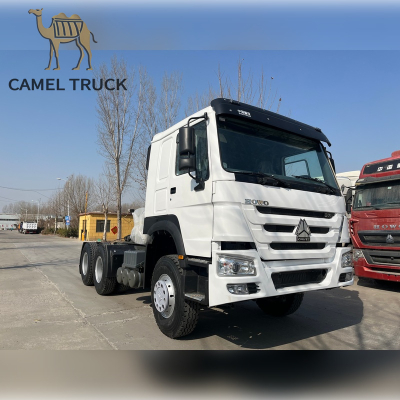
Mid-range horsepower trucks have become the backbone of regional freight transport. They offer significantly improved pulling power and stability compared to their lower horsepower brethren, while keeping operational costs in a manageable range.
Because they can handle diverse cargo weights and varied road conditions, they're a flexible solution for companies who can't afford to specialize their fleet for a single purpose. Many logistics operators find that mid-range horsepower trucks offer the best return on investment when performance, fuel consumption, and maintenance are considered together.
This category offers not only a wider margin of safety but also better operational reliability in areas with unreliable weather or mixed terrain, leading to decreased downtime and increased delivery accuracy.
High Horsepower Trucks — Essential for Heavy-Duty Operations
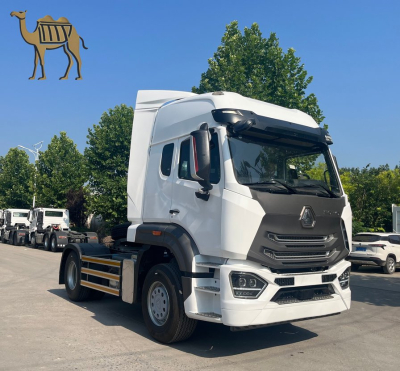
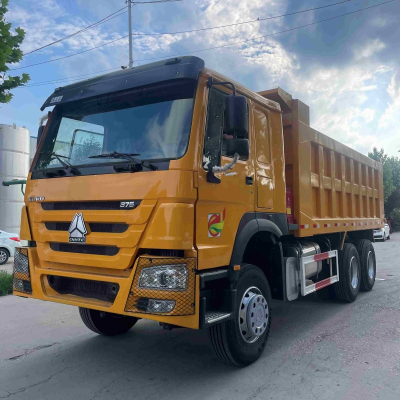
High horsepower engines play an irreplaceable role in heavy-duty logistics, where trucks must pull extremely large loads or travel long distances across challenging terrain. These trucks are engineered to deliver sustained power, improved torque, and enhanced durability under extreme stress.
Although the cost of their purchase and fuel is higher, their advantages in productivity often lead to a lower cost per ton of freight transported, which is an essential indicator for large logistics enterprises.
For industries like construction, mining, bulk transportation, and heavy hauling of special cargo, high horsepower trucks are not options but an operational necessity.
Key Considerations Beyond Horsepower
Experts advise buyers not to base a decision simply on the horsepower of the truck. A valid buying decision must consider:
Typical cargo weight and volume
Distance and frequency of trips
Road and terrain conditions
Fuel consumption and availability
Maintenance network and parts cost
Total cost of ownership - TCO
Expected lifespan and resale value
Often, optimizing a fleet is not about choosing the most powerful truck but about choosing the most appropriate one for each of the various operational scenarios.
Future Trends: Efficiency and Smart Fleet Management
With digitalization and smart logistics solutions on the rise, fleet operators can now collect data in real time on fuel use, load performance, and even engine stress. That allows businesses to fine-tune their choice of horsepower with unprecedented accuracy.
The selection of the right horsepower is no longer merely an economic decision but also an environmental and strategic one with the rise of fuel prices and increasing environmental regulations.
Conclusion In the current competitive environment for logistics, understanding how to align truck horsepower with operational needs can pay big dividends in productivity, lower operational costs, and extended vehicle lifespan. By comprehensively evaluating performance requirements and making appropriate choices, buyers ensure their investment in vehicles yields maximum value and long-term reliability within an ever-changing transportation landscape.