Why Customers Choose Remanufactured Engine Trucks
Why Customers Choose Remanufactured Engine Trucks
The global trucking industry is undergoing a quiet but decisive transformation. Across developing regions and even in mature markets, the conversation is shifting from “new or used” to something far more nuanced: remanufactured. A remanufactured engine truck is not simply a secondhand vehicle dressed up with cosmetic fixes. Instead, it represents a thorough process of disassembly, inspection, replacement, and testing that restores the truck to a standard that often rivals — and sometimes exceeds — brand-new units.
Customers from Africa to Southeast Asia, from mining operators to logistics entrepreneurs, are increasingly turning to remanufactured trucks as their preferred choice. Why? The answer lies in three interconnected factors: the dominance of cost-effectiveness, reliability that rivals new vehicles, and the support ecosystem of parts and local expertise. Each factor plays a decisive role in why remanufactured engine trucks are becoming the pragmatic choice for business growth.
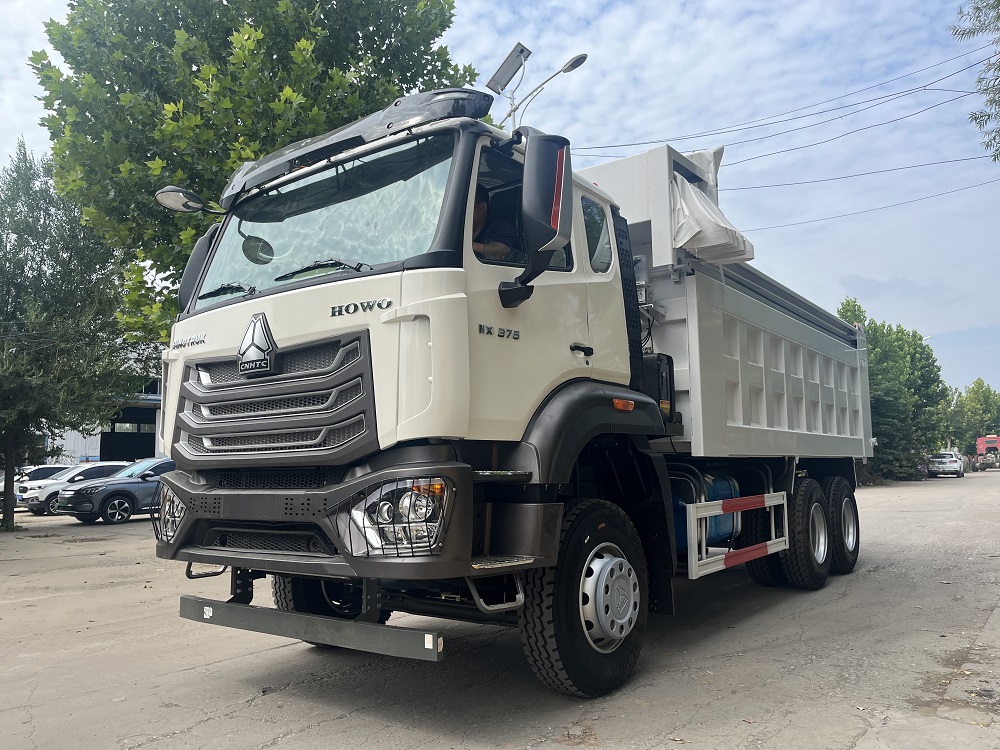
1. The Dominance of Cost-Effectiveness
For any fleet manager or entrepreneur, capital is the most critical bottleneck. New heavy-duty trucks require immense upfront investment, often demanding financing arrangements that come with high interest rates and long repayment schedules. In contrast, remanufactured trucks offer a much more accessible entry point.
Instead of investing hundreds of thousands of dollars, companies can acquire remanufactured vehicles at a fraction of the cost, while still enjoying performance standards comparable to new models. This lower initial investment accelerates return on investment (ROI), allowing operators to expand their fleets, capture new contracts, and compete aggressively without the weight of crippling debt.
The affordability does not mean cutting corners. The remanufacturing process ensures that trucks are fully disassembled, each engine component carefully disassembled to expose even the most hidden imperfections. This is not a superficial repair; it is a systematic renewal that delivers high value at low cost.
Consider a small logistics company in West Africa. For the cost of one new truck, they could potentially buy three remanufactured trucks, tripling their carrying capacity. That difference translates directly into increased market presence, faster scaling, and resilience in competitive bidding. In regions where every dollar must be stretched, cost-effectiveness is not merely a benefit — it is survival.
2. Reliability That Rivals New Vehicles
Skepticism often arises when customers hear the word “remanufactured.” They imagine a patched-up machine with an uncertain future. But the reality is strikingly different. Remanufacturing is a science-driven process that adheres to strict quality protocols, ensuring the finished truck achieves near-new performance.
The engine, the beating heart of any truck, undergoes meticulous restoration. It is not enough to clean it superficially. Instead, every engine is subjected to ultrasonic cleaning and manual polishing, a combination of advanced ultrasonic technology and skilled manual finishing that guarantees surfaces are free from deposits, rust, or micro-damage.
But the process goes deeper. Any component showing wear beyond acceptable limits is replaced. The standard is clear: Replace all parts with wear exceeding 25%, and replace all old ones with new ones. This threshold ensures that the engine is not merely functional but robust, capable of standing the punishing demands of long-haul routes and difficult terrains.
Before release, the engines are subjected to rigorous verification. Specialists deploy specialized machines to perform load testing on remanufactured engines, simulating real-world stress conditions. These tests replicate uphill climbs, high-speed cruising, and heavy-load scenarios to validate performance consistency. The result is a remanufactured engine that inspires confidence — reliability engineered, not assumed.
The outcome? Downtime is minimized, and operating costs remain predictable. Fleet managers know that every day a truck is sidelined for repairs, revenue slips away. Remanufactured trucks, built on stringent standards, drastically reduce such disruptions, offering uptime comparable to — and often indistinguishable from — brand-new units.
3. Parts Availability and Local Expertise
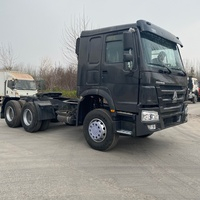
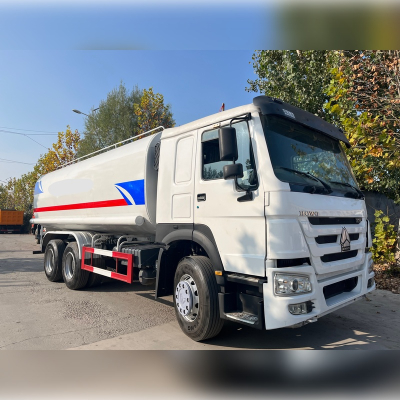
No matter how reliable a truck is, wear and tear is inevitable in heavy-duty operations. What matters most is how quickly and affordably it can be put back on the road. This is where remanufactured trucks, particularly popular brands such as HOWO and SHACMAN, have an undeniable advantage.
Over the past decade, Chinese truck manufacturers have built expansive networks across Africa, the Middle East, and South America. These networks include dedicated dealerships, authorized service centers, and independent workshops that specialize in remanufactured models. Spare parts are no longer rare commodities requiring long import delays; they are widely stocked, competitively priced, and locally available.
This accessibility is vital for customers in remote regions. A truck stranded due to unavailable parts can mean lost contracts, dissatisfied clients, and damaged reputation. By contrast, operators who choose remanufactured trucks benefit from an ecosystem that ensures rapid turnaround on maintenance and repairs.
Furthermore, local expertise has grown alongside parts availability. Mechanics trained specifically in HOWO and SHACMAN systems can now be found in numerous countries. They understand the intricacies of remanufactured engines, from the way they are during the rebuild process to the precision required in reassembly. This expertise ensures that routine servicing or unforeseen repairs are executed with confidence and competence.
For customers, this means peace of mind. They are not purchasing an isolated machine but joining a robust ecosystem of support that extends the truck’s life cycle and ensures consistent operational reliability.